
Last updated September 10, 2026
Full 25-point door and opener safety check with every visit - springs, cables, rollers, tracks, and your LiftMaster or Chamberlain opener included
You get a price before we start. It does not change when the truck arrives.
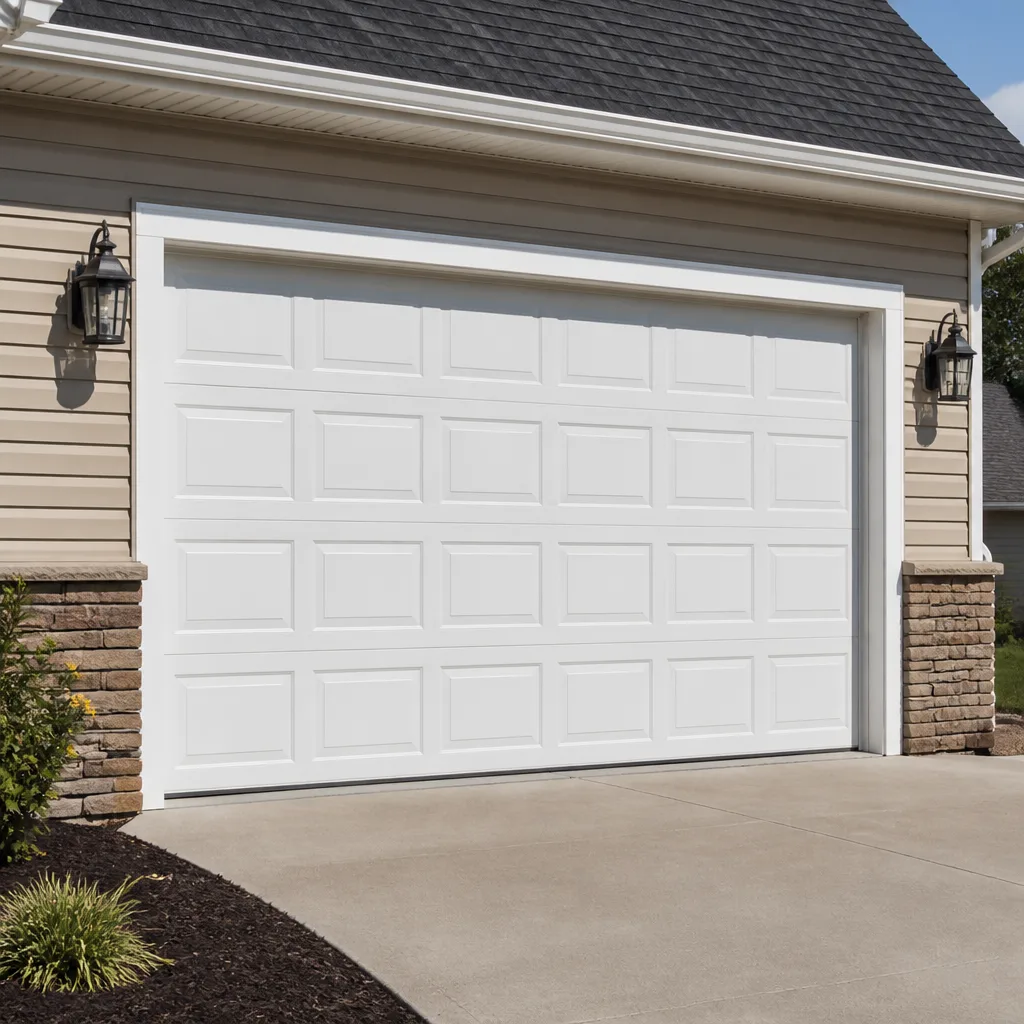
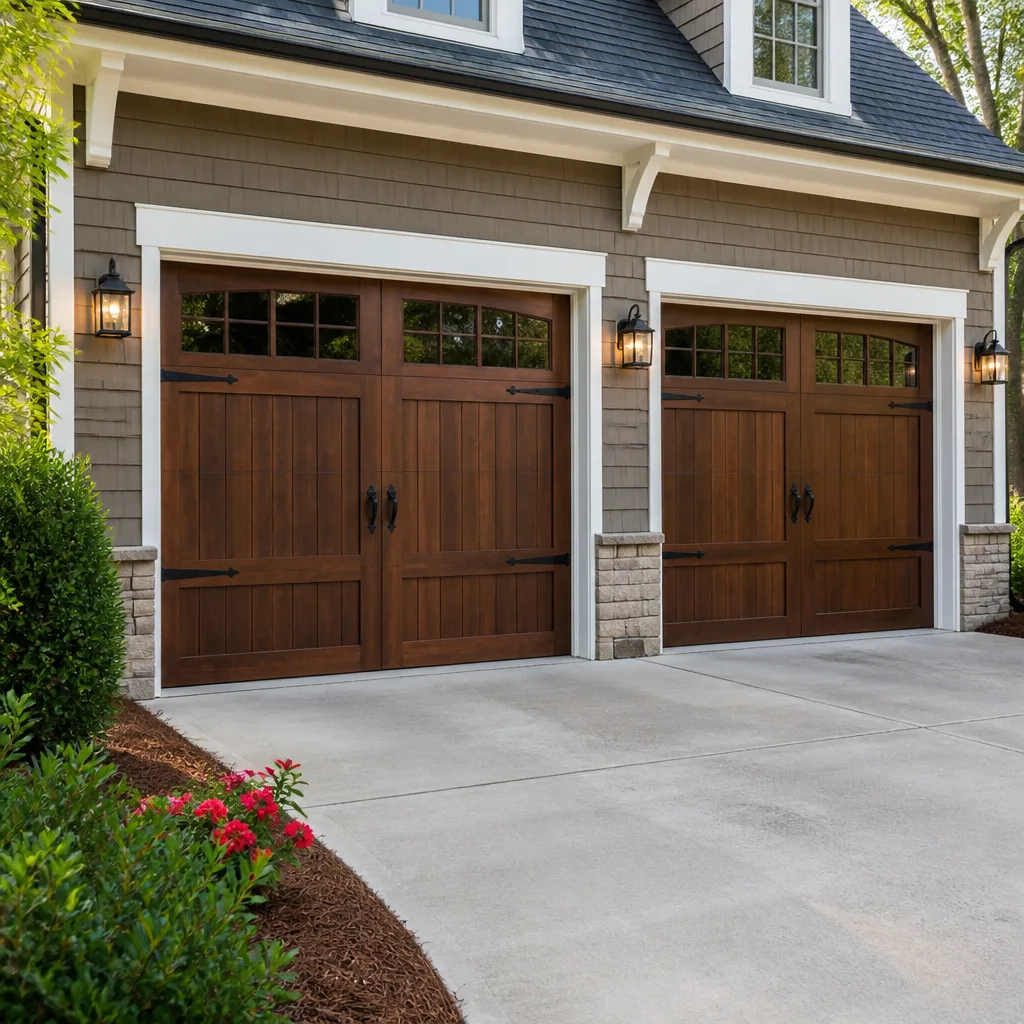
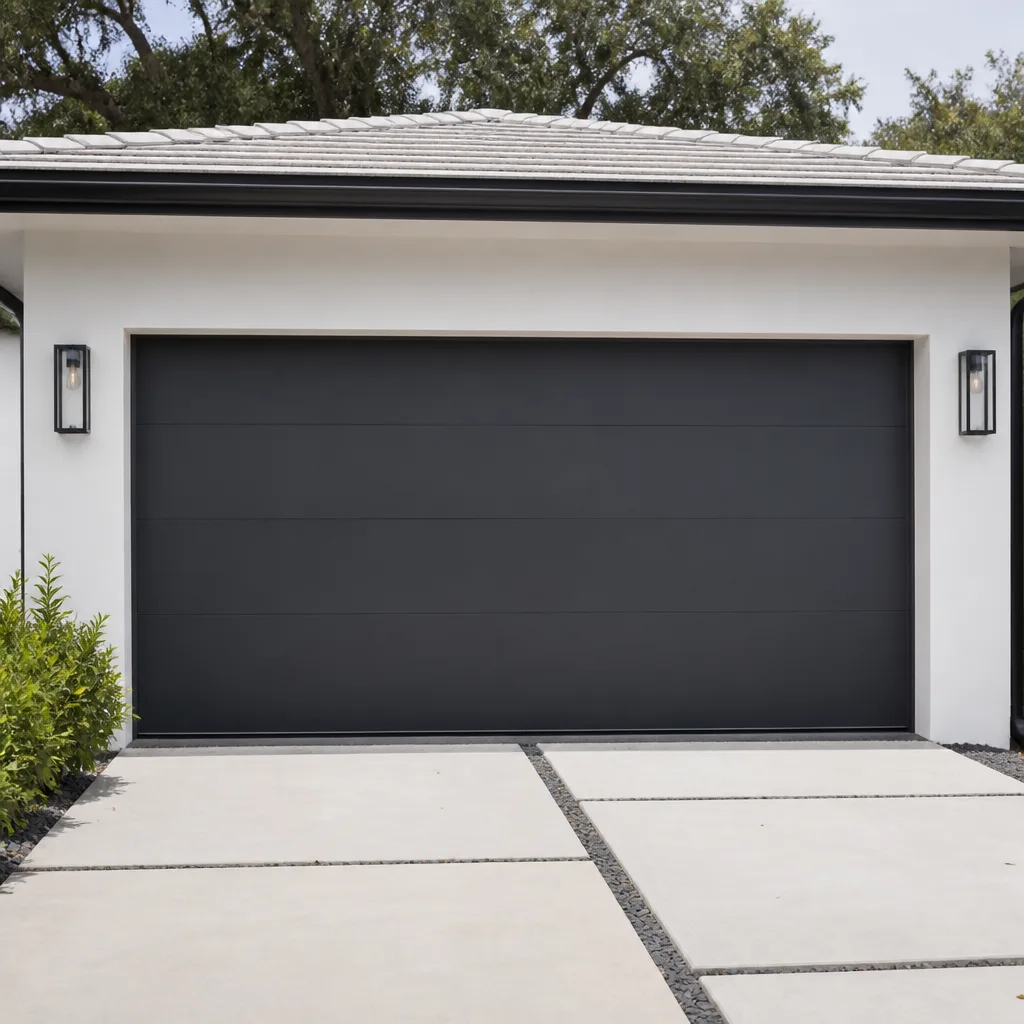
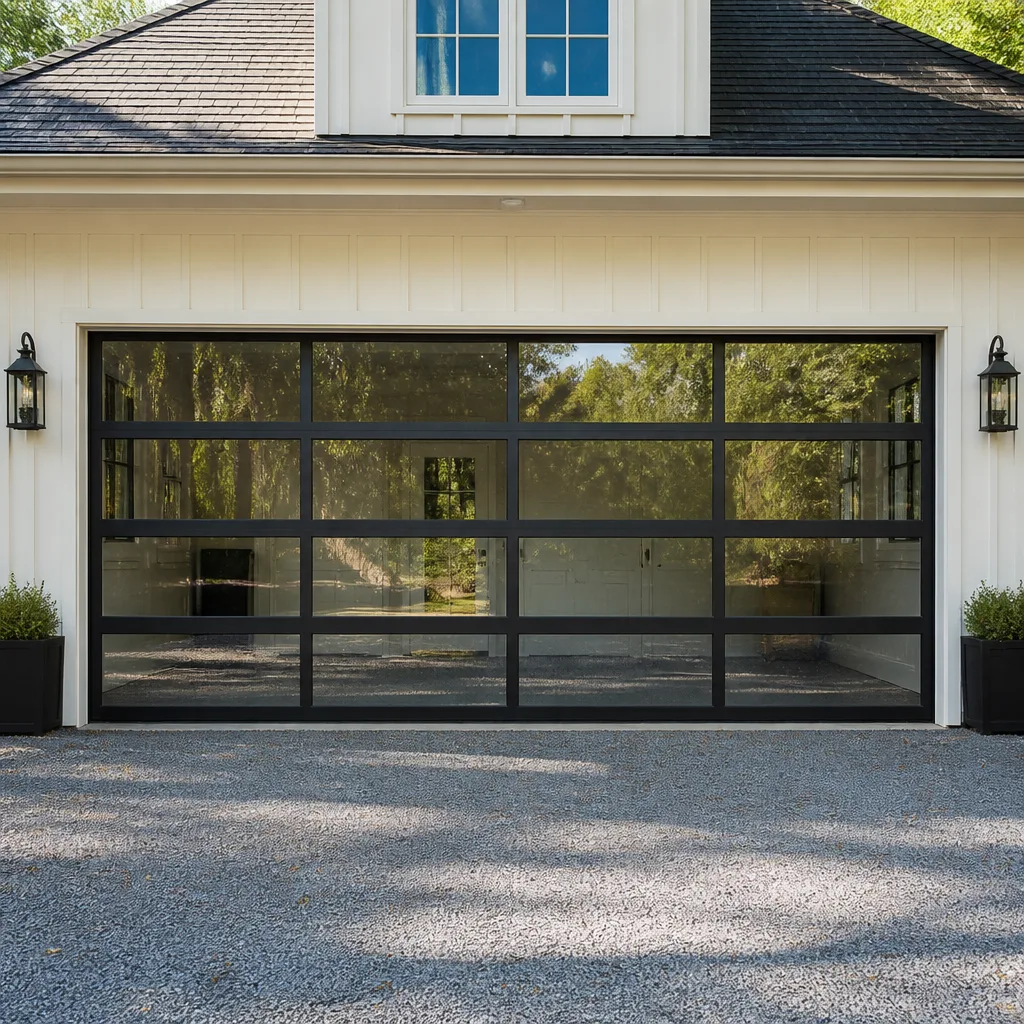
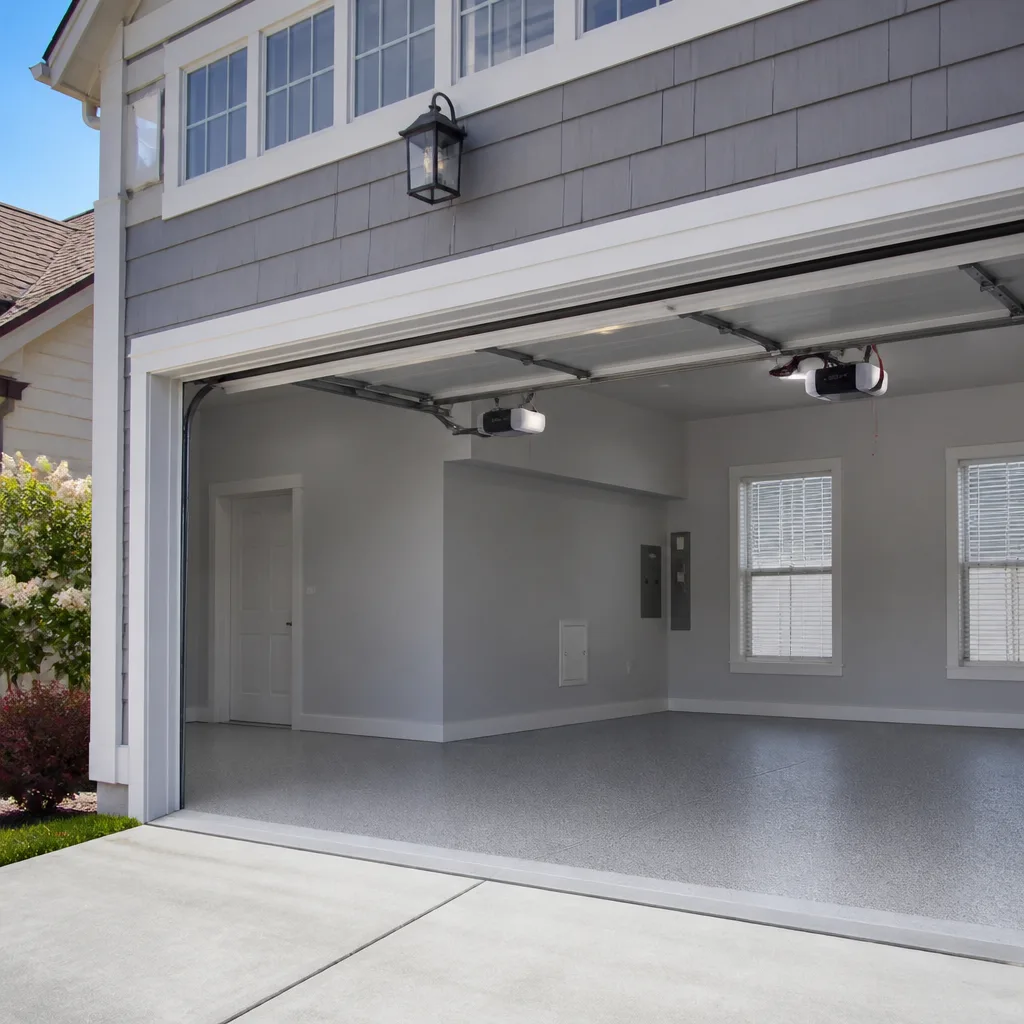
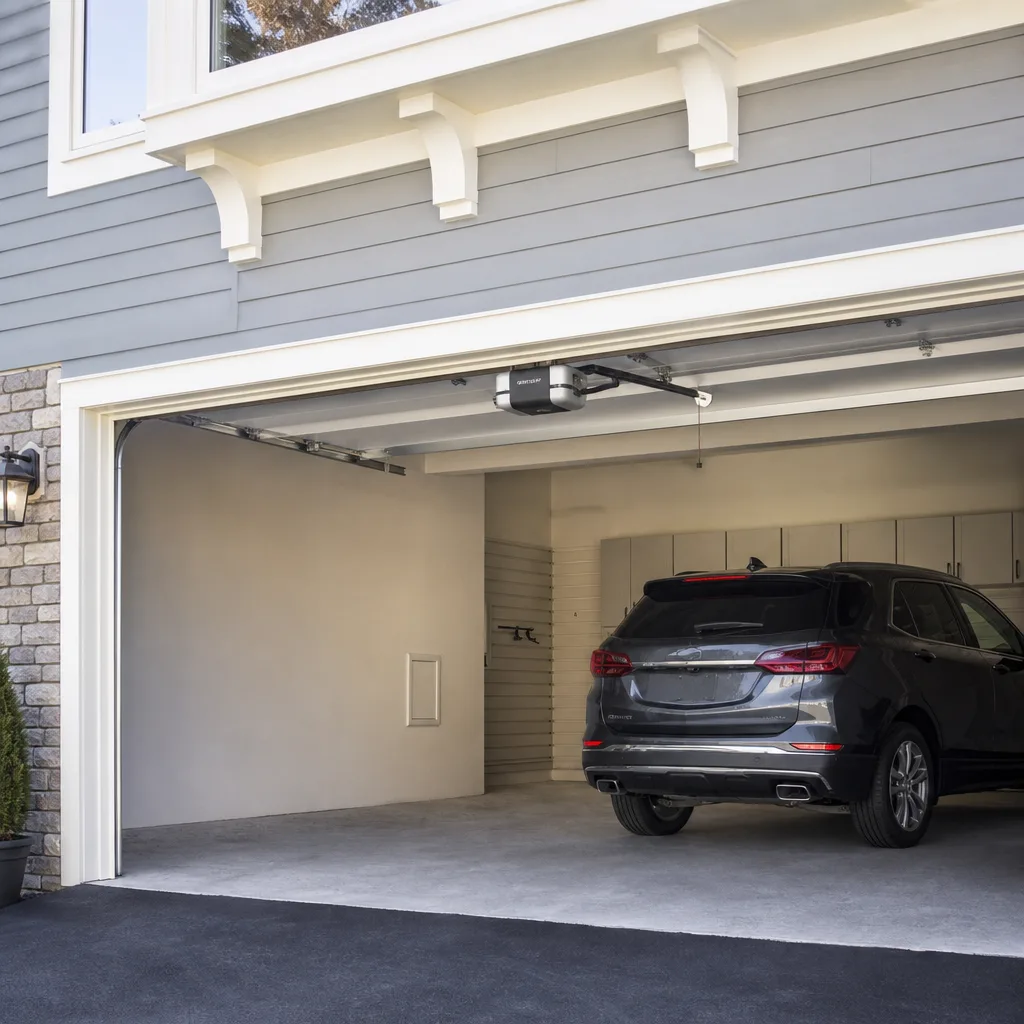
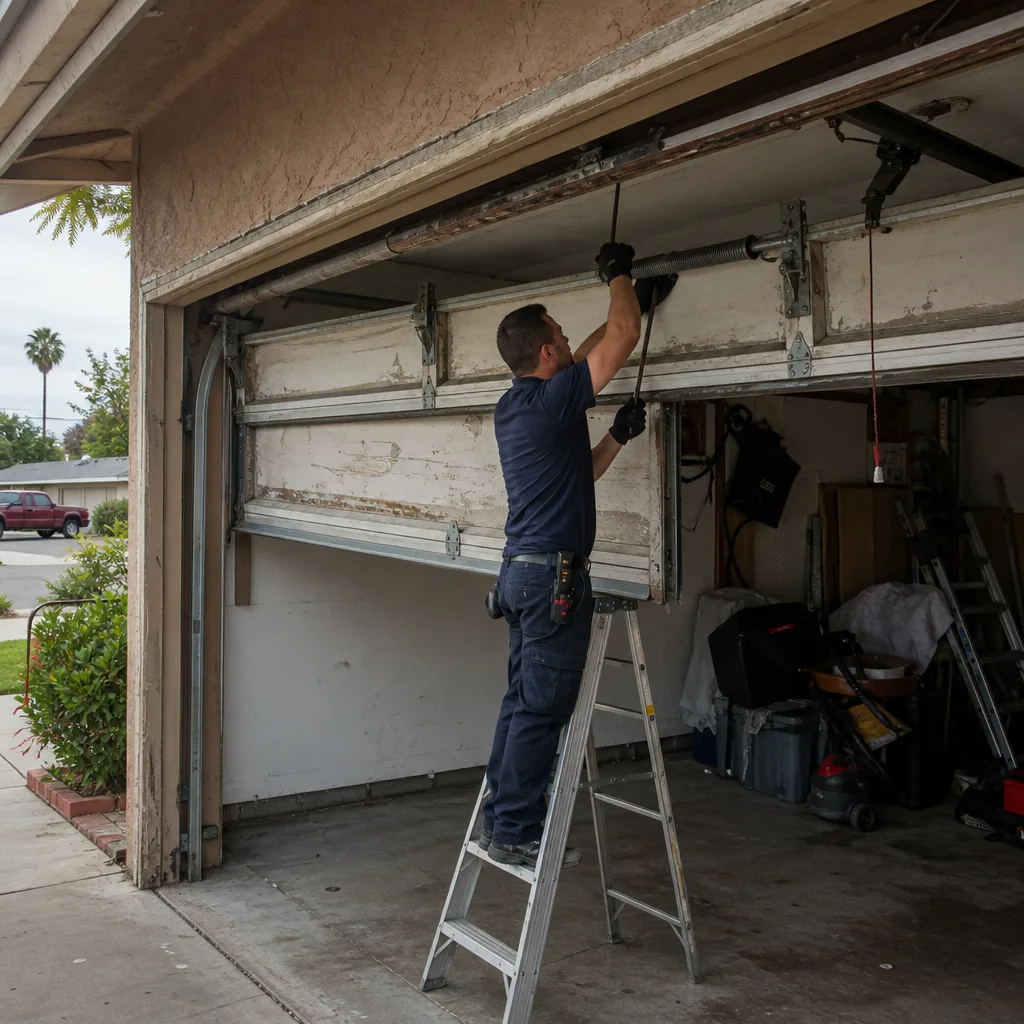 Before
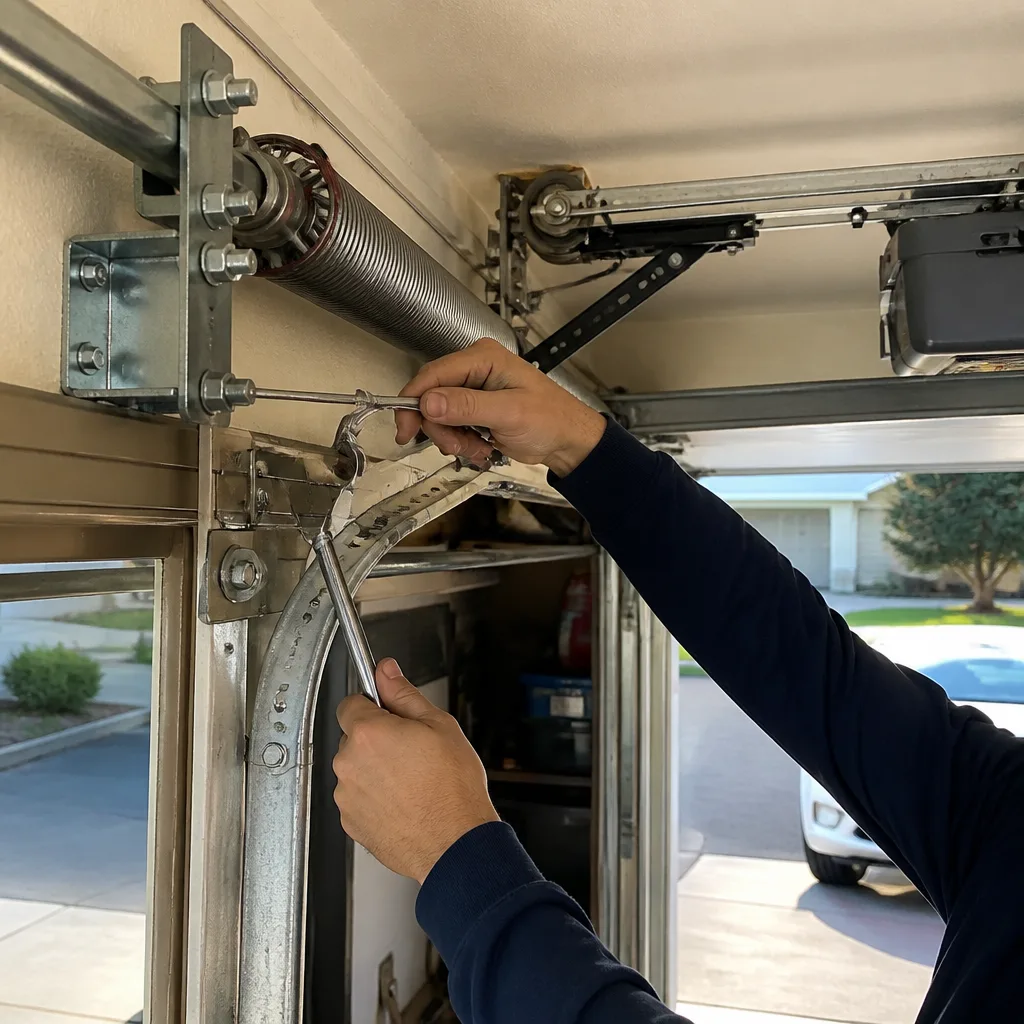 After
After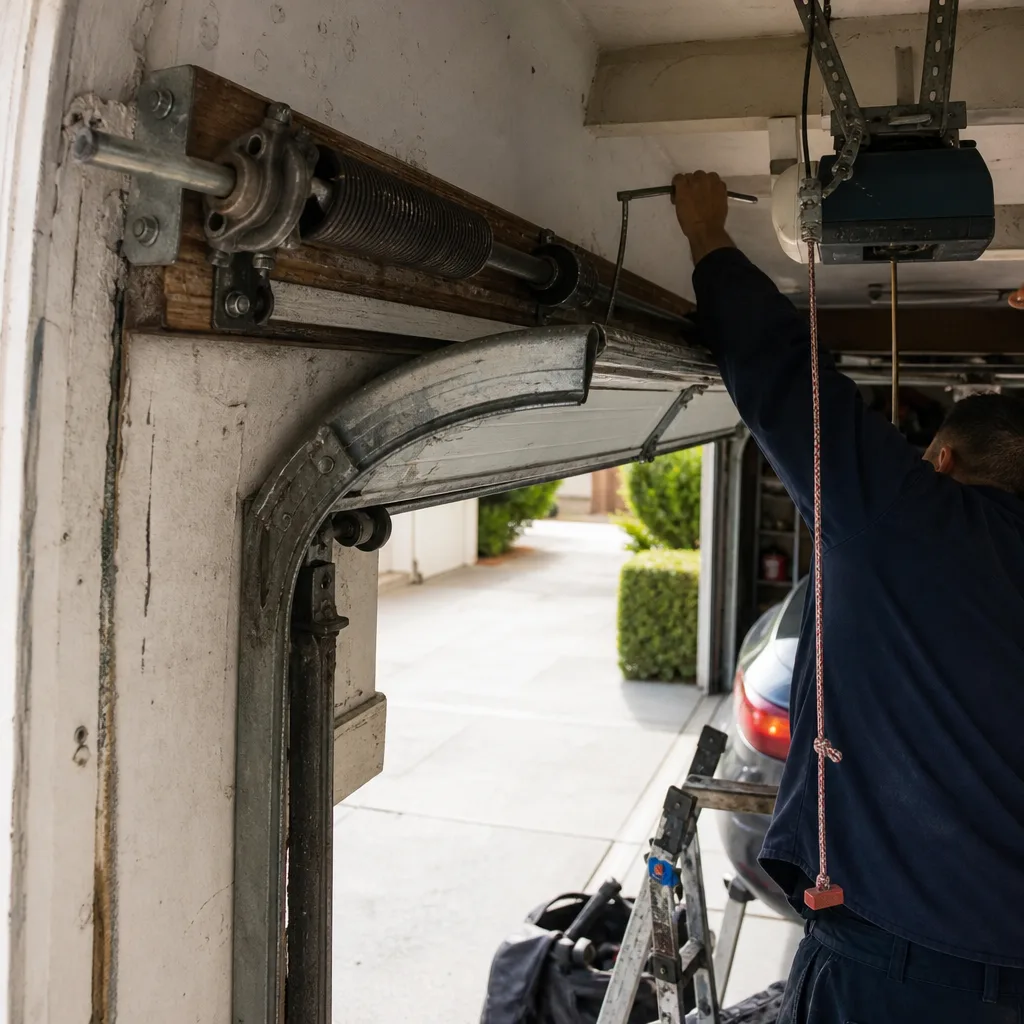 Before
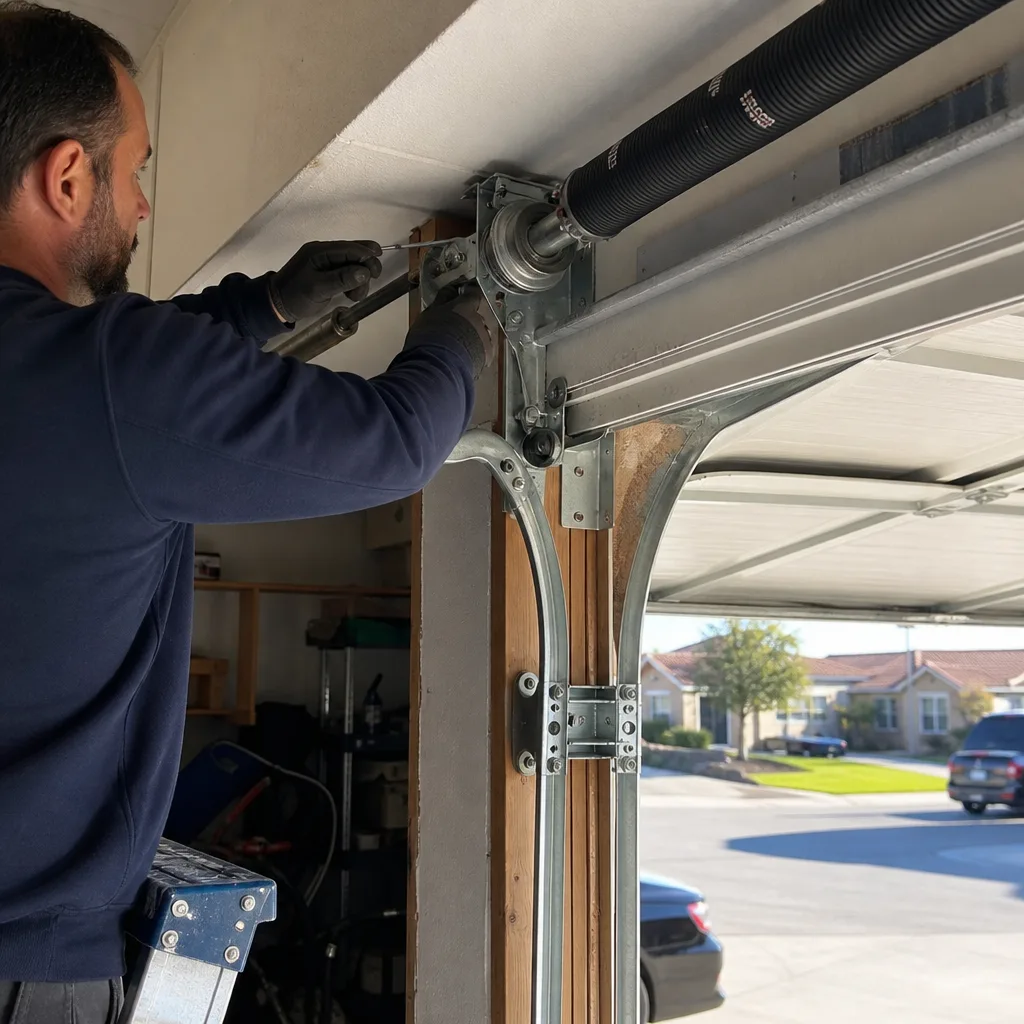 After
After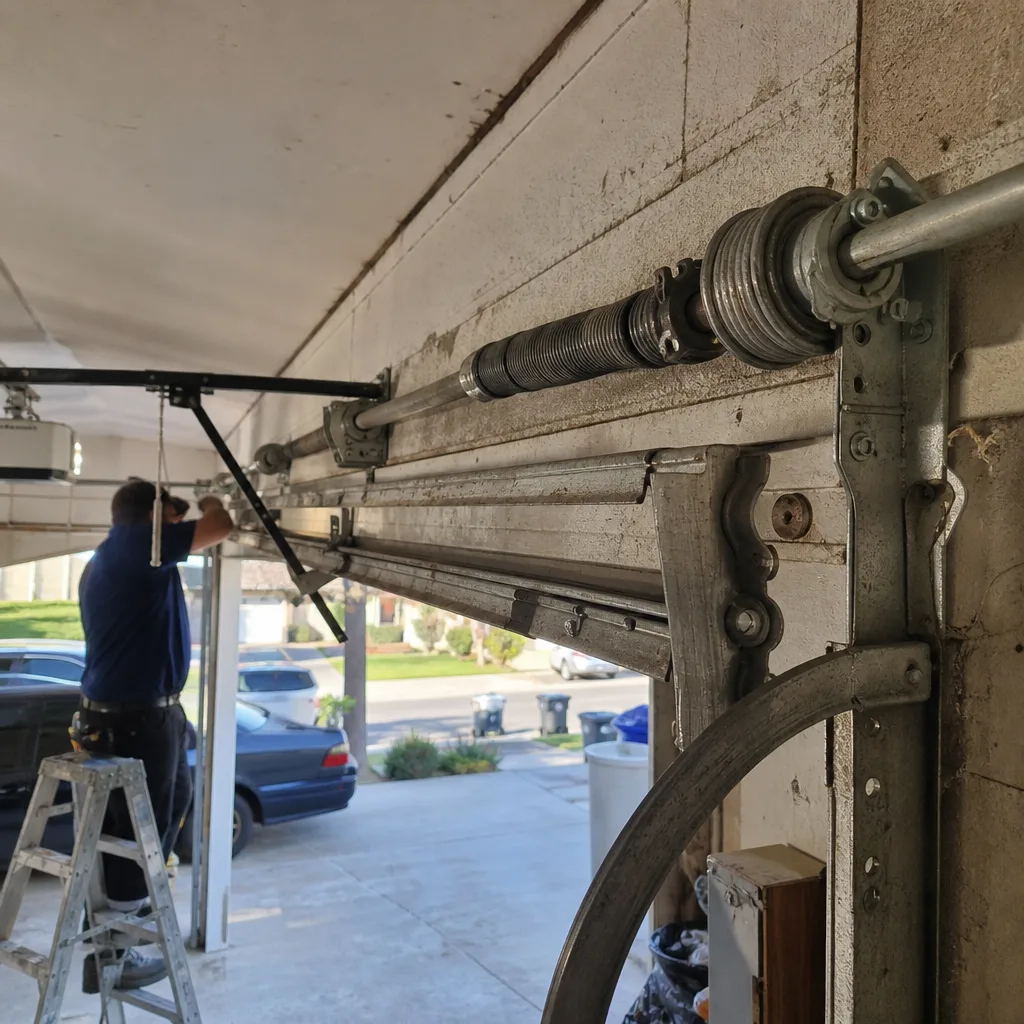 Before
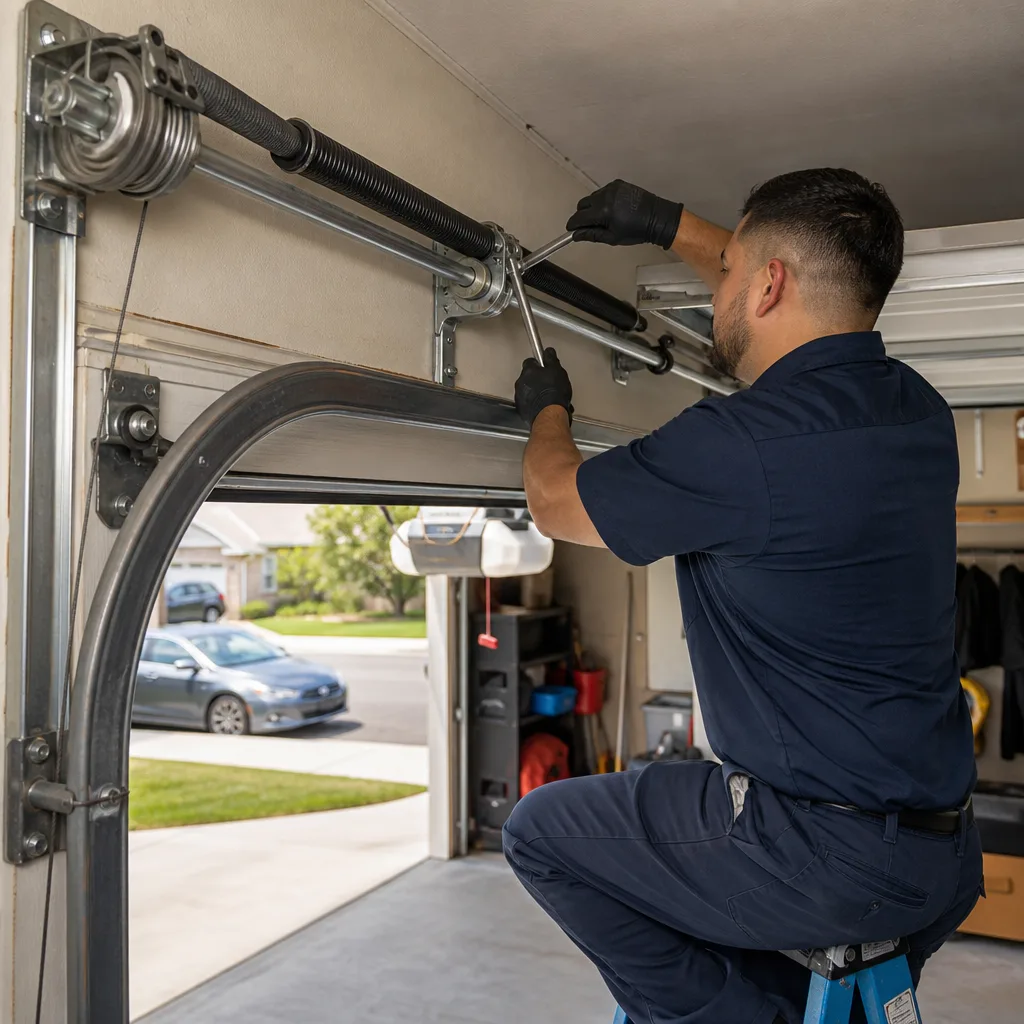 After
AfterGarage Door Permits, Codes & Inspections in CA: What You Need to Know
Most garage door replacements in California do not require a building permit. But change the rough opening, add a new automatic opener to a pre-1993 home, or live in a Chula Vista HOA with its own architectural review process, and the rules shift fast - and code inspectors do not accept “I didn’t know” as a defense. In 42 years of hanging doors across San Diego County, we’ve watched homeowners delay projects for weeks over permits they never needed, and we’ve seen others order $4,000 custom Clopay carriage doors their HOA rejected flat. This guide draws the exact line so you know when to pull a permit, when to file HOA paperwork, and when you are overthinking it entirely.
Quick Answer
In California, a straight garage door panel replacement on an existing frame does not require a building permit. You need a permit when you alter the rough opening, convert a carport to an enclosed garage, install a new opener on a pre-1993 door that lacks safety sensors, or modify structural elements like the header or support wall. Before any of these projects, consult our Garage Door Warning Signs: A Chula Vista Homeowner’s Reference Guide to spot problems early. Chula Vista Development Services charges $200-$500 for most residential garage permits, with typical approval in 5-10 business days if plans are complete.
Table of Contents
- When Is a Garage Door Permit Required in California?
- When You Don’t Need a Permit
- California Building Code Section 1001: The Threshold Rules
- The 1993 Opener Safety Sensor Mandate
- Filing in Chula Vista: Fees, Timelines, and Process
- HOA Architectural Review vs. City Permit
- What Happens During a Garage Door Inspection
- Common Mistakes to Avoid
- When to Call a Professional
- Frequently Asked Questions
- The Bottom Line
When Is a Garage Door Permit Required in California?
California’s building permit rules for garage doors sit in a narrow band. The state does not regulate the door itself; it regulates the structure around it and the safety systems attached to it. Here are the specific scenarios that trigger a permit requirement under the California Residential Code and local amendments.
Structural Changes to the Opening
Any modification to the rough opening requires a permit. This includes:
- Widening or narrowing the existing door frame to accommodate a different door size
- Raising the header height for a taller door, such as converting from a standard 7-foot to an 8-foot opening for a lifted truck
- Cutting into a load-bearing wall to create a new garage opening where none existed
- Replacing a rotted or damaged header with a new engineered beam
- Converting a carport to a fully enclosed garage, which changes the building’s classification and fire separation requirements
In Chula Vista’s older neighborhoods like Castle Park and Rancho del Rey, we regularly see homeowners buy a new RV and want to raise their garage door height. That header modification absolutely requires a permit, engineered drawings, and an inspection. The city will check that the new header meets L/360 deflection standards for the roof load above it.
New Construction and Additions
Any new garage, whether attached or detached, requires a full building permit. This includes ADUs with garage space, guest houses with parking bays, and detached workshop buildings with overhead doors. The permit covers the slab, framing, electrical, and the door installation as one package.
Opener Installation on Pre-1993 Doors
This surprises most homeowners. Under California Health and Safety Code Section 19890, any automatic garage door opener installed after January 1, 1993, must include a functioning safety reverse system. If your home predates 1993 and you are adding an opener for the first time, or replacing a non-compliant opener, the installation may trigger an inspection requirement even though no structural work occurs. We cover this in detail in the section below.
Fire-Rated Door Requirements
California requires a 20-minute fire-rated door between an attached garage and the living space. If you are replacing an interior passage door from the garage to the house, the replacement must carry a UL 20-minute fire rating label. This is technically a door permit scenario, though most homeowners encounter it during whole-house remodels rather than standalone garage projects.
Bottom line for this section: if you are swapping a 16-foot steel panel for another 16-foot steel panel on the same track and same opener, you almost certainly do not need a permit. Change anything structural, add an opener to an old door, or enclose a carport, and you do.
When You Don’t Need a Permit
The list of exempt work is longer than most contractors admit, and understanding it saves time and money.
Direct Panel-for-Panel Replacement
Replacing a damaged or outdated door with a new one of identical dimensions on the existing track system does not require a permit. This covers the majority of our service calls in Chula Vista. A homeowner with a 1998 vintage Amarr Stratford door wants a newer insulated model. Same size, same hardware, same opener. No permit.
Spring, Cable, and Hardware Repairs
All mechanical repairs are exempt. Broken torsion springs, frayed cables, worn rollers, bent tracks, and failed hinges fall under maintenance, not construction. These are the bread and butter of our garage door repair in Chula Vista work, and none require city involvement.
Safety note: Torsion springs carry enormous stored energy. A standard 16-foot door spring holds roughly 10,000 foot-pounds of torque at full wind. Attempting DIY spring replacement without proper winding bars and training causes serious injury every year. We carry every common spring wire size on our trucks and can replace most in a single visit.
Opener Repair and Like-for-Like Replacement
Repairing an existing opener, replacing a failed motor unit with an identical or equivalent model, or swapping a chain drive for a belt drive on a door that already has compliant safety sensors does not require a permit. The sensors are already there; the safety system is already verified.
Cosmetic Upgrades
Adding decorative hardware, window inserts, or paint does not trigger permit requirements. Neither does weatherstripping replacement or bottom seal installation.
Chula Vista Specific: The 200-Square-Foot Exemption
Chula Vista follows the California Building Code’s exemption for minor repairs and alterations under $200 in value or 200 square feet of work. A straightforward door replacement falls well within this threshold. We have never seen a homeowner cited for unpermitted work on a direct panel swap in this city, provided no structural changes occurred.
California Building Code Section 1001: The Threshold Rules
Section 1001 of the California Building Code establishes when a building permit is mandatory. For garage doors, the relevant triggers appear in CRC R105.1 and local amendments. Here is how the code actually reads in practice, not in theory.
The “Repair and Replacement” Exemption
CRC R105.2.2 exempts “ordinary repairs” from permit requirements. The code defines ordinary repairs as “any maintenance which does not affect structure, egress, fire protection systems, fire ratings, energy conservation provisions, plumbing, sanitary, gas, electrical, or other utilities.” A direct door replacement on existing hardware meets this definition precisely.
Where the Exemption Ends
The exemption evaporates when any of these conditions appear:
- Structural modification: Any change to load-bearing elements, including the header, jack studs, or king studs framing the opening.
- Egress alteration: Changing the door width in a way that reduces the minimum required egress dimension. For garages, this rarely applies unless you are narrowing a door below 8 feet wide in a multi-car configuration.
- Fire separation compromise: Removing or altering a fire-rated door or wall between garage and living space.
- Energy conservation impact: In climate zone 7, which includes Chula Vista, the code requires minimum insulation values for envelope components. A solid wood door replaced with an uninsulated single-layer steel door could theoretically trigger energy code review, though in practice this is only enforced during whole-building permit applications.
- Electrical work: New outlet installation, dedicated circuits for EV charging in the garage, or new opener wiring that extends beyond the existing junction box.
The Local Amendment Layer
Cities can adopt more restrictive amendments. Chula Vista’s Municipal Code Chapter 15.12 adopts the California codes by reference with specific local additions. The city requires permits for any work valued over $200, any structural modification, and any new electrical circuit. They do not add garage-door-specific restrictions beyond the state baseline.
How to Read Your Own Situation
Ask these three questions in order:
- Am I changing the size or shape of the opening? If yes, permit required.
- Am I adding electrical work beyond plugging in an existing opener? If yes, permit required.
- Am I working on a door that never had an automatic opener, and I am adding one now? If yes, review the 1993 mandate section below.
If all three answers are no, you are almost certainly exempt. We have guided hundreds of Chula Vista homeowners through this self-assessment over the phone. Most discover they do not need a permit and can schedule installation immediately.
The 1993 Opener Safety Sensor Mandate
This is the most commonly missed permit trigger in California garage door work, and it catches homeowners and handymen alike.
The Law Itself
California Health and Safety Code Section 19890, effective January 1, 1993, mandates that every automatic garage door opener manufactured, sold, or installed in California must include an external entrapment protection device. In practical terms: infrared safety sensors that reverse the door if the beam is broken. The federal UL 325 standard adopted the same requirement nationally in 1993, but California enforced it earlier and maintains its own inspection authority.
Why This Creates a Permit-Like Scenario
While the code does not technically require a building permit for sensor installation alone, it does require that the installation be inspected and compliant before the door can be legally operated. In Chula Vista, this plays out in two ways:
- Real estate transactions: Home inspectors flag non-compliant openers during sale inspections. The seller must upgrade before closing or face credits and delays.
- Insurance claims: If an injury occurs with a non-compliant opener, insurers may deny coverage based on code violation.
- HOA enforcement: Many Chula Vista HOAs, particularly in newer master-planned communities like Otay Ranch, require proof of compliant openers as a condition of architectural approval for any garage door work.
The Practical Impact on Pre-1993 Homes
Chula Vista’s housing stock includes substantial 1970s and 1980s construction in neighborhoods like Bonita Long Canyon and Telegraph Canyon. These homes often have original doors with no opener, or early openers installed before the mandate. When the homeowner decides to modernize, the installer cannot simply mount a new LiftMaster or Chamberlain unit and leave. The entire door system must be brought into compliance, including:
- Installing photoelectric sensors no higher than 6 inches above the floor
- Wiring the sensors through the wall or with surface conduit to the opener head unit
- Testing and documenting the safety reverse function under load
- Verifying that the door itself is balanced and will reverse properly (a binding or overweight door will not pass)
We have arrived at jobs where a handyman installed a new opener on a 1987 Wayne Dalton door but never connected the sensors, or connected them at knee height where a child could pass under the beam. That installation fails code, fails safety, and creates liability. Our technicians carry compliant openers from all major brands and perform the full safety verification before leaving.
What “Inspection” Means Here
Unlike a structural permit inspection, opener compliance verification is typically performed by the installing contractor, not a city inspector. The contractor provides documentation of UL 325 compliance. However, if the work is performed under a broader permit (whole-garage remodel, ADU conversion, etc.), the city inspector will test the safety reverse during the final inspection.
Filing in Chula Vista: Fees, Timelines, and Process
For the times you do need a permit, Chula Vista Development Services operates a straightforward process. Here is exactly how it works, with current fee ranges and realistic timelines.
Where to File
Chula Vista Development Services Department
276 Fourth Avenue, Chula Vista, CA 91910
Counter hours: Monday-Thursday 7:00 AM-5:00 PM, Friday 7:00 AM-4:00 PM
Online portal: available for some application types at chulavistaca.gov/departments/development-services
Application Requirements
For a garage door permit involving structural work, you need:
- Completed building permit application
- Two sets of construction plans showing existing and proposed conditions
- Engineered structural calculations for header modifications (if applicable)
- Property survey or site plan showing setbacks
- Contractor license information (if using a licensed contractor)
- Homeowner affidavit (if doing the work yourself)
For electrical work only (new circuits, EV charging), a separate electrical permit application with panel schedule and load calculations.
Fee Schedule
Chula Vista’s permit fees follow a valuation-based formula. For typical residential garage door permits:
| Permit Type | Estimated Fee Range |
| Direct door replacement (no structural change) | No permit required - $0 |
| Structural modification, minor (header repair, same size) | $200-$350 |
| Structural modification, major (opening resize, carport enclosure) | $400-$650 |
| Electrical permit, new circuit | $150-$250 |
| Combination building + electrical | $500-$850 |
| Plan check fee (additional, for engineered work) | 65% of permit fee |
These figures include the city’s base fee, state surcharge, and administrative costs. They do not include third-party engineering if required.
Timeline
Over-the-counter permits for minor work: same day, if plans are complete and no engineering is required.
Plan check for structural modifications: 5-10 business days for initial review, plus revision cycles.
Inspection scheduling: typically 2-3 business days out, available Monday-Friday.
Final approval: same day if the inspection passes.
In our experience, the most common delay is incomplete plans. Homeowners arrive with a sketch on notebook paper and expect approval. The counter staff will send you home with a checklist. Having a contractor who has filed in Chula Vista before cuts this friction substantially.
Inspection Sequence
For permitted work, inspections occur in this order:
- Foundation/slab: If new construction or carport conversion
- Framing/rough: Before drywall or siding covers the structure
- Electrical rough: Before wall closure
- Insulation: Before interior finish
- Final: All work complete, door operational, safety systems tested
Most garage door-only permits require only the final inspection, since the structural work is minimal and exposed.
HOA Architectural Review vs. City Permit
This is where Chula Vista homeowners lose the most time and money. The city permit process and the HOA architectural review are entirely separate, run on different timelines, with different approval criteria. Treating them as one step is a costly error.
Who Requires What
Chula Vista contains dozens of active HOAs, from the large master-planned communities of Eastlake and Otay Ranch to smaller neighborhood associations in older areas. Their powers vary by CC&Rs, but most maintain architectural control over:
- Door style and material (wood look vs. flush steel vs. glass)
- Color palette (often restricted to earth tones or specific manufacturer colors)
- Window placement and glazing type
- Hardware finish and style
The city does not care about aesthetics. The city cares about structure, safety, and zoning compliance. You can have a fully permitted installation that your HOA orders removed.
The Sequence That Works
- Before ordering any door: Submit your proposed selection to the HOA architectural committee. Include manufacturer cut sheets, color samples, and a photo of your home showing the existing door.
- Wait for written approval. Most Chula Vista HOAs respond in 14-30 days. Some require board meeting review, which may meet monthly.
- Once approved, determine if a city permit is required using the criteria in this guide.
- If a permit is required, file with Development Services using the approved HOA documentation as supporting material.
- Schedule installation only after both approvals are in hand.
We have seen homeowners in Eastlake III order a custom Clopay Canyon Ridge limited edition door in a slate finish, only to discover their HOA restricts colors to the manufacturer’s standard earth tone palette. The door sat in our warehouse for six weeks while they sought a variance. The $400 restocking fee was avoidable with a 20-minute HOA call upfront.
Chula Vista Specific: Common HOA Restrictions
In our market, these are the restrictions we encounter most:
- Glass doors: Prohibited or heavily restricted in many communities due to reflectivity and privacy concerns
- Bright colors: Red, blue, and green doors are commonly rejected; taupe, brown, white, and sand are standard approvals
- Carriage house hardware: Some HOAs require it, others prohibit it as “decorative clutter”
- Window section placement: Top section only is a common requirement, preventing street-level visibility into the garage
Always request the HOA’s written design guidelines before shopping. Most Chula Vista associations provide these within 48 hours of a written request.
What Happens During a Garage Door Inspection
For permitted work, the city inspector arrives with a checklist. Knowing what is on it prevents failures, re-inspection fees, and project delays.
The Two Most Common Rejection Reasons
After decades of accompanying inspectors in Chula Vista, we can predict the two failures before the truck arrives:
1. Inadequate header clearance. The rough opening must provide minimum headroom above the door for the track radius and opener mounting. Standard requirements:
- 12 inches for standard radius track with sectional door and torsion springs
- 10 inches for low-headroom track configuration
- Additional 2-3 inches for opener rail and header bracket
Homeowners who raise their door height without verifying the existing header position often discover the track cannot physically fit. The inspector will measure from the finished floor to the bottom of the header. If it is short, you are cutting concrete or raising the roof - neither is a quick fix.
2. Failed safety reverse test. The inspector places a 2×4 board flat on the floor at the door center and commands a close cycle. The door must reverse within 2 seconds of contact. If it does not, the installation fails. Common causes: opener force settings too high, door binding in the track, or sensors misaligned. We test this ourselves before every final inspection. It takes 90 seconds and eliminates a return trip.
The Full Inspection Checklist
Beyond the top two failures, inspectors verify:
- Door size matches approved plans
- Fire-rated door present between garage and living space (if applicable)
- Drywall or equivalent fire separation on garage walls and ceiling
- Electrical outlets GFCI-protected and properly spaced
- Opener safety sensors installed at correct height and functioning
- Manual release handle visible and accessible
- Door balanced and operable by hand in emergency
- Weatherstripping and seal in place
- No visible hazards: exposed springs, frayed cables, sharp edges
Re-Inspection Fees
Chula Vista charges for re-inspection after a failed first attempt. The fee is typically 50% of the original inspection fee, or a flat $150-$200 depending on permit type. Two failures and the permit may be suspended pending revised plans. Getting it right the first time matters.
Our garage door installation in Chula Vista process includes a pre-inspection walkthrough. We run the full checklist ourselves, fix anything marginal, and only then call for the city inspector. In 42 years, we have never had a Mainspring installation fail final inspection.
Common Mistakes to Avoid
- Assuming all garage door work needs a permit. This delays straightforward replacements by weeks. Most panel swaps are exempt under CRC R105.2.2.
- Starting HOA review after ordering the door. Custom doors have 6-8 week lead times. If the HOA rejects your selection, you eat the restocking fee or live with a door you cannot install.
- Ignoring the 1993 sensor mandate on pre-1993 homes. The handyman who installs an opener without sensors creates liability that falls on the homeowner when someone gets hurt.
- Measuring only the door, not the opening. In Chula Vista’s older homes, settled foundations throw off square. We measure the opening, not the old door, because the new door must fit the actual frame.
- Skipping the pre-inspection self-check. A failed inspection costs money and time. Test the safety reverse, verify header clearance, and confirm sensor alignment before the inspector arrives.
- Hiring unlicensed contractors for permitted work. Chula Vista requires a C-61/D-28 (Garage Door and Automatic Gate) contractor license for installation, or a B-General for structural work. Unlicensed work on permitted jobs voids the permit and creates liability exposure.
- Forgetting that permit history transfers with the property. Unpermitted work discovered during a future sale becomes your negotiation problem. Pull the permit, pass the inspection, close the loop.
When to Call a Professional
Some situations demand licensed expertise. Call a qualified garage door contractor when you are altering the rough opening, converting a carport, installing an opener on a pre-1993 door for the first time, or navigating HOA and city approvals simultaneously. The permit process is not complex, but the penalties for errors are real: failed inspections, project delays, and in the case of structural modifications, potential red tags from the city.
Mainspring Garage Door Co. offers free estimates in Chula Vista. We assess whether your project needs a permit, file the paperwork if it does, and coordinate HOA submissions when required. Our trucks carry springs, cables, openers, and hardware for all major brands, so most jobs finish in a single visit. The price is stated upfront, in writing, before any work begins. Call (619) 901-2874 to schedule.
Frequently Asked Questions
No, if you are installing a new door of the same size on the existing frame and track. Yes, if you are changing the opening dimensions, converting a carport, or adding structural elements. Call (619) 901-2874 and we can confirm your specific situation in two minutes.
Most residential garage permits run $200-$500 for structural modifications, with electrical permits at $150-$250. A direct panel replacement requires no permit and costs nothing. The city bases fees on project valuation, so widening a two-car opening costs more than repairing a header.
Over-the-counter permits for minor work: same day. Plan review for structural modifications: 5-10 business days for initial review, plus time for any revisions. Inspection scheduling: 2-3 business days after you call. Total timeline for a typical permitted installation: 2-4 weeks from application to final approval.
No. Mainspring states the flat price before any work begins. If we arrive and find conditions we could not assess over the phone, we explain the change and get your approval before proceeding. No surprises on the bill. This is part of our 90-Day Done Right Promise.
Yes. Our technicians arrive with torsion springs, extension springs, cables, rollers, hinges, weatherstripping, and openers from LiftMaster, Chamberlain, Genie, and other major brands. Most repairs and standard installations complete in a single visit. For custom doors with 6-8 week lead times, we schedule installation once the door arrives.
Yes. HOA architectural review is separate from city permitting and can reject doors on aesthetic grounds even when the city permit is approved. Always get HOA written approval before ordering. We have guided Chula Vista homeowners through this process in communities from Eastlake to Rancho del Rey.
Chula Vista can issue a stop-work order, require you to expose the work for inspection, and levy penalties. For occupied homes, the city typically discovers unpermitted work during a future sale inspection or a neighbor complaint. The correction process costs more than doing it permitted the first time, and the delay can derail a real estate transaction.
The Bottom Line
California garage door permits are narrower than most homeowners assume and stricter than some contractors admit. A straight replacement needs no permit. Structural changes, carport conversions, and first-time opener installations on pre-1993 doors do. Chula Vista’s Development Services processes permits efficiently when plans are complete, but the real delays come from homeowners who skip HOA review or order doors before verifying approvals. The two inspection killers, header clearance and safety reverse failure, are entirely preventable with proper measurement and testing. Know the line, follow the sequence, and you will never lose a weekend to permit surprises.
Written by Carl Dutton, Owner at Mainspring Garage Door Co., serving Chula Vista since 2016.